In the era of digital networking, digital visiting cards, also called digital business cards, have come to the forefront as a modern networking choice. In this blog, we will talk about what a digital visiting card is, how it works, how it can benefit us, and how to create and share one in the right way.
What is a Digital Visiting Card?
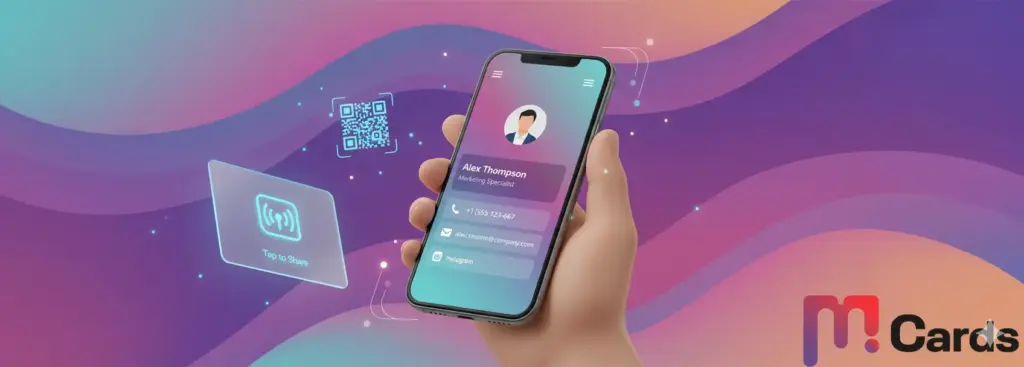
A digital visiting card is a mirrored version of an actual paper business card. Whereas physical cards have their limitation when it comes to size and data content, digital cards do not since they can hold lots of data and come with a whole bunch of multimedia elements. These can be formed from mobile apps or web platforms and are usually shared this way through QR codes, NFC tech or direct links.
These smart business cards are also referred to as Electronic Business Cards, Mobile Business Cards or Business Cards. They are a flexible and vibrant way to exchange contact information and professional information.
How Does It Work?
Digital visiting cards operate primarily through two technologies: QR codes and NFC (Near Field Communication).
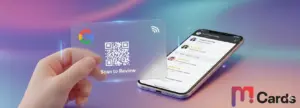
- QR Codes: The users can create their own QR code related to their digital card. Imagine this code being scanned by someone’s smartphone with their camera, link them to a web page to show the person’s contact information, profile links, and other necessary details. With this method, you don’t have to deal with physical contact to share.
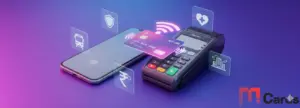
- NFC Technology: NFC-enabled digital cards behave in the same way as contactless payment methods. If you hold an NFC card close to a compatible smartphone, the card automatically delivers the stored information. Especially while networking, this is a great method for continuous interactions.
However, the flexibility of these technologies makes it very easy to create, share, and save digital visiting cards on a user with a smartphone.
Benefits of Digital Visiting Cards
Digital visiting cards offer numerous advantages over traditional paper cards:
- Increased Information Capacity: The cool part about digital cards is that they can have links to links to websites, social media pages, videos, PDF files and whatnot. It allows presenting how you are when describing your professional identity.
- Cost-Effective and Eco-Friendly: Sustainability is in the cards because there is no need to print physical cards. This reduces the amount of paper waste, and in the long run, may be cheaper because updates can be done digitally without money spent on reprinting costs.
- Real-Time Updates: Digital visiting cards do have one of the standout features of being able to update information instantly. You can update your card as long as your phone number or job title doesn’t change. Your URL never changes until the card changes or you add or remove cards.
- Enhanced Networking Opportunities: Sharing digital visiting cards is immediate and can be done through many platforms: email, SMS, social media or at an in-person meeting using QR codes or NFC technology. Because of this flexibility, networking becomes more efficient and effective.
- Tracking Engagement: Analytics features provided by some digital card services let you track how often your card has been viewed, or shared. It can be very useful to know this data to understand network effectiveness.
Creating a Digital Visiting Card
Creating a digital visiting card is straightforward and can usually be done in just a few steps:
- Choose a Platform: Then pick a digital card app or website that works for you. Smart Digital card are all popular alternatives. For the most part, these platforms come with free versions with minimal features.
- Sign Up: Sign up on a platform of your choice. Various services offer a quickly registered way of email or social media.
- Input Your Information: First, you come up with your basic details like name, job title, company name, phone number, email address and website URL.
- Customize Your Card: If you wish to enhance your card further than what it already provides, get logos, photos, videos etc incorporated and linked to the social media outlets and the professional persona you’d like to present yourself with.
- Generate Your QR Code/NFC Tag: As soon as your card is ready you can generate either a QR code or NFC tag that anyone can scan to open your information super quick.
- Share Your Card: There you share and utilize the sharing options of the platform: QR codes for the person who meets in person, or links sent in the mail or through social media.
Sharing Your Digital Visiting Card
There are several effective methods for sharing your digital visiting card:
- QR Code Sharing: For networking events, if you want others to scan your QR code easily then display your QR code on your phone.
- Direct Links: Send an email or messaging app the URL of the card.
- NFC Technology: Those with an NFC-enabled card simply tap it against someone’s phone’s NFC contact patch.
- Social Media Platforms: Share your digital card link with professionals on LinkedIn, or other professional networks.
- Virtual Backgrounds: Then use your digital card on virtual meeting backgrounds on platforms such as Zoom or Microsoft Teams.
Conclusion
Digital visiting cards are a pioneer in the way professionals network in the modern tech-savvy world. Besides making this sharing of contact information process smoother, these cards can increase the depth of engagement since they allow users to provision richer content than paper cards ever can. The trend of businesses being increasingly more and more eco and efficient in their operations will inevitably drive the use of digital visiting cards by professionals looking at smart networking solutions.